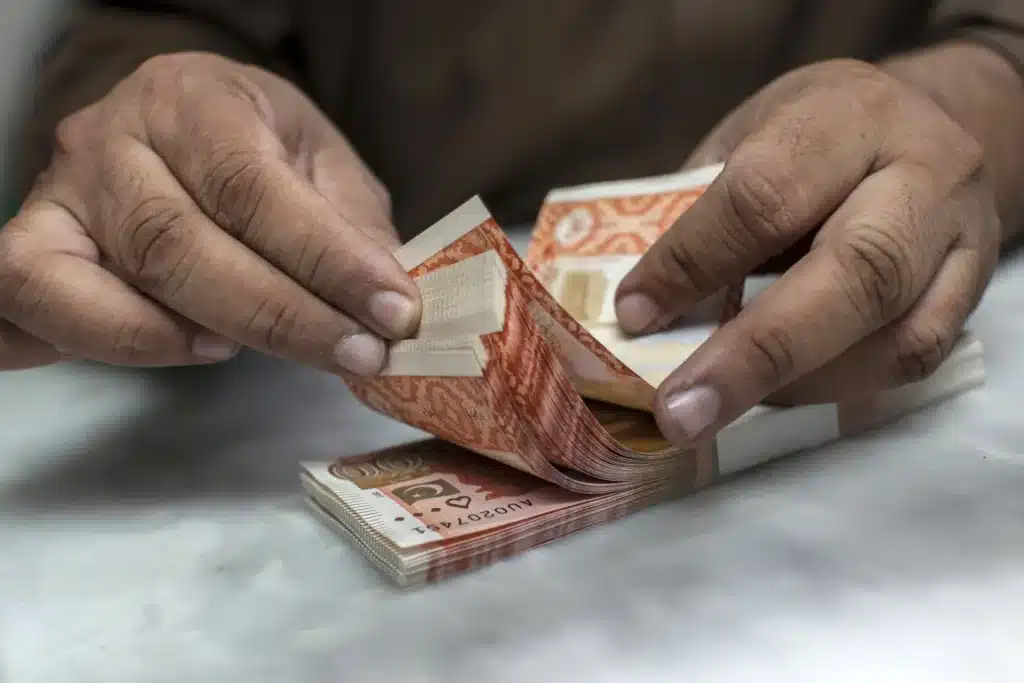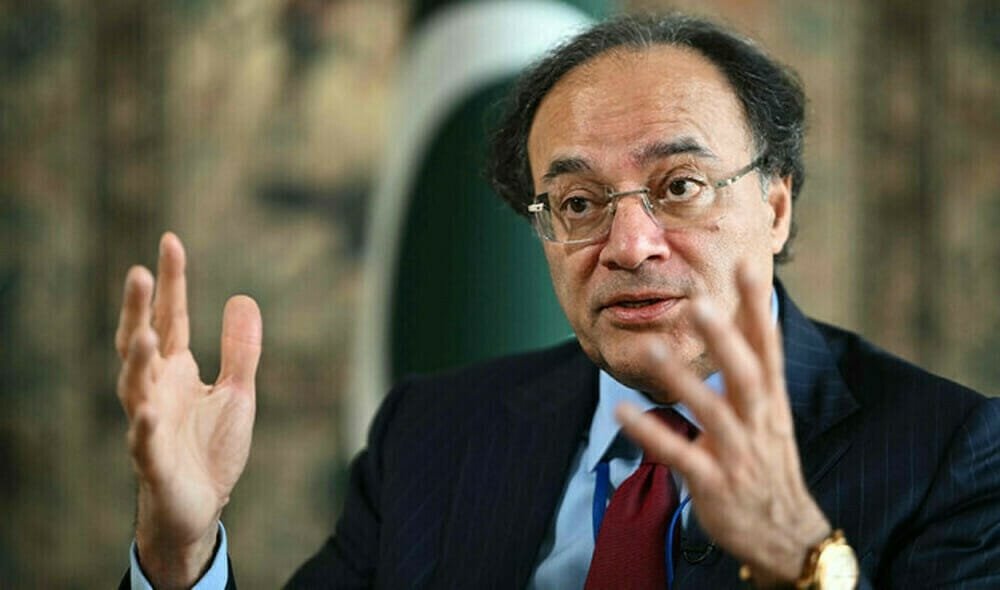
WASHINGTON: Pakistan has requested China to expand its existing currency swap agreement by an additional 10 billion yuan ($1.4 billion), Finance Minister Muhammad Aurangzeb revealed.
He also indicated that Pakistan plans to launch a Panda bond by the end of the year.
Speaking to Reuters during the IMF and World Bank Group spring meetings in Washington, Aurangzeb said Pakistan currently has a 30 billion yuan swap line and is seeking to raise it to 40 billion yuan.
“From our standpoint, reaching 40 billion renminbi would be an ideal step forward… we have formally submitted the request,” he stated.
China’s central bank has been actively promoting swap agreements with several emerging economies, including Argentina and Sri Lanka.
Aurangzeb also noted that Pakistan has made significant progress toward issuing its first Panda bond — a debt instrument issued in China’s domestic market and denominated in yuan. Discussions with the Asian Infrastructure Investment Bank (AIIB) and the Asian Development Bank (ADB), who are expected to provide credit guarantees for the bond, have been positive, he said.
“We aim to diversify our sources of financing and have made encouraging progress. We are hopeful of executing an initial issuance within this calendar year,” Aurangzeb added.
Meanwhile, Aurangzeb expects the IMF executive board to approve, in early May, a Staff Level Agreement for a new $1.3 billion climate resilience loan, along with the first review of the existing $7 billion bailout package.
Approval from the IMF would unlock a $1 billion disbursement, further supporting Pakistan’s economic stabilisation efforts, which began with the 2024 program.
Looking ahead, Aurangzeb projected Pakistan’s economic growth at around 3% for the current fiscal year ending June 2025, with expectations of 4-5% growth the following year, aiming to reach 6% in the longer term.